All Categories
Featured
Implementing New Site Management Standards
Table of Contents
Seasonal transitions require particular work that prepares landscapes for altering conditions. Spring work includes removing winter season particles and dead greenery, using weed preventers before weeds grow, pruning spring-blooming bushes after the flowers fade, adjusting sprinklers for warmer temperature levels, and planting seasonal flowers suitable for your location.
Fall prep involves planting spring-blooming bulbs before the ground freezes, aerating and overseeding lawn if suitable for your environment, reducing watering as temps drop, preparing sprinklers for winter if required, and getting rid of leaves before they smother grass. Winter activities include enjoying inactive landscapes for issues, planning spring improvements and replacements, pruning dormant trees and shrubs when suitable, safeguarding delicate plants from freeze damage, and doing devices maintenance before spring hits.
Landscape Asset ManagementCost control involves thoughtful preparation rather than basic budget plan slashing that sacrifices quality. Water costs often supply the most significant savings capacity. Sprinkler efficiency enhancements, smart controllers, and drought-tolerant plants cut intake without harming landscapes. Some communities slash water costs 30-40% through organized enhancements. Plant choices significantly affect long-lasting costs.
Regular replenishment costs less than battling extreme weeds and having a hard time plants. Preventive work expenses less than emergency situation repairs. Routine sprinkler checks prevent costly water waste and landscape damage.
Streamlined Solutions for Regional Landscape Portfolios
Getting competitive quotes for contract work guarantees reasonable rates. Balance expense versus professional credentials, references, and real service quality. Landscape complaints happen everywhere.
Written grievance treatments get rid of confusion and keep correct records. Putting grievances in writing produces paperwork while avoiding heated face-to-face arguments. Make sure homeowners understand how long responses typically take. Not every problem needs action. Communities can't personalize maintenance for specific choices in shared areas. Residents who dislike particular plants or prefer their lawn cut in a different way require respectful explanations that community requirements apply to everybody.
Tell residents what steps will occur and when work must be finished. Routine outdated photos of common areas supply proof of actual conditions when conflicts arise about maintenance quality or timing.
Style tastes alter. New technologies improve on older systems. Multi-year renovation plans spread significant improvements throughout numerous budget plan years, instead of concentrating them in a single year. Strategies ought to resolve aging plants, outdated sprinklers, and locations that have actually ended up being maintenance nightmares. Reserve studies must consist of items such as landscape and hardscape functions that need eventual replacement.
Upgrading styles brings aging landscapes into contemporary requirements while typically minimizing upkeep expenses. Present style patterns prefer drought-resistant plants, minimized turf protection, and products that require less maintenance than those popular years back. Improvement top priorities ought to concentrate on high-visibility areas and major problems before resolving small problems in less visible areas.
Next-Gen Property Management Tactics for 2026
Management companies bring landscape knowledge from handling several neighborhoods with different obstacles. They comprehend maintenance requirements, professional oversight, and expense control methods that offer boards typically lack.
Landscape Asset ManagementBudget planning advantages from experience with comparable residential or commercial properties and realistic cost projections. Contact Area Management to learn how expert services can help your neighborhood maintain beautiful, well-managed landscapes and common areas.

Boards that comprehend where innovation is headed can make much better decisions, improve resident experiences, and lead their communities more successfully. This post highlights the most important tech and AI trends shaping HOAs this year, grounded in real-world applications and what's coming next.
At the same time, development in the HOA area is accelerating, and some organizations are moving faster than others. For the previous two years, we have actively developed and implemented AI-powered technology throughout crucial operational locations.

Latest Posts
Modern Trends for HOA Association Management
How Data-Driven Maintenance Protects Asset Value
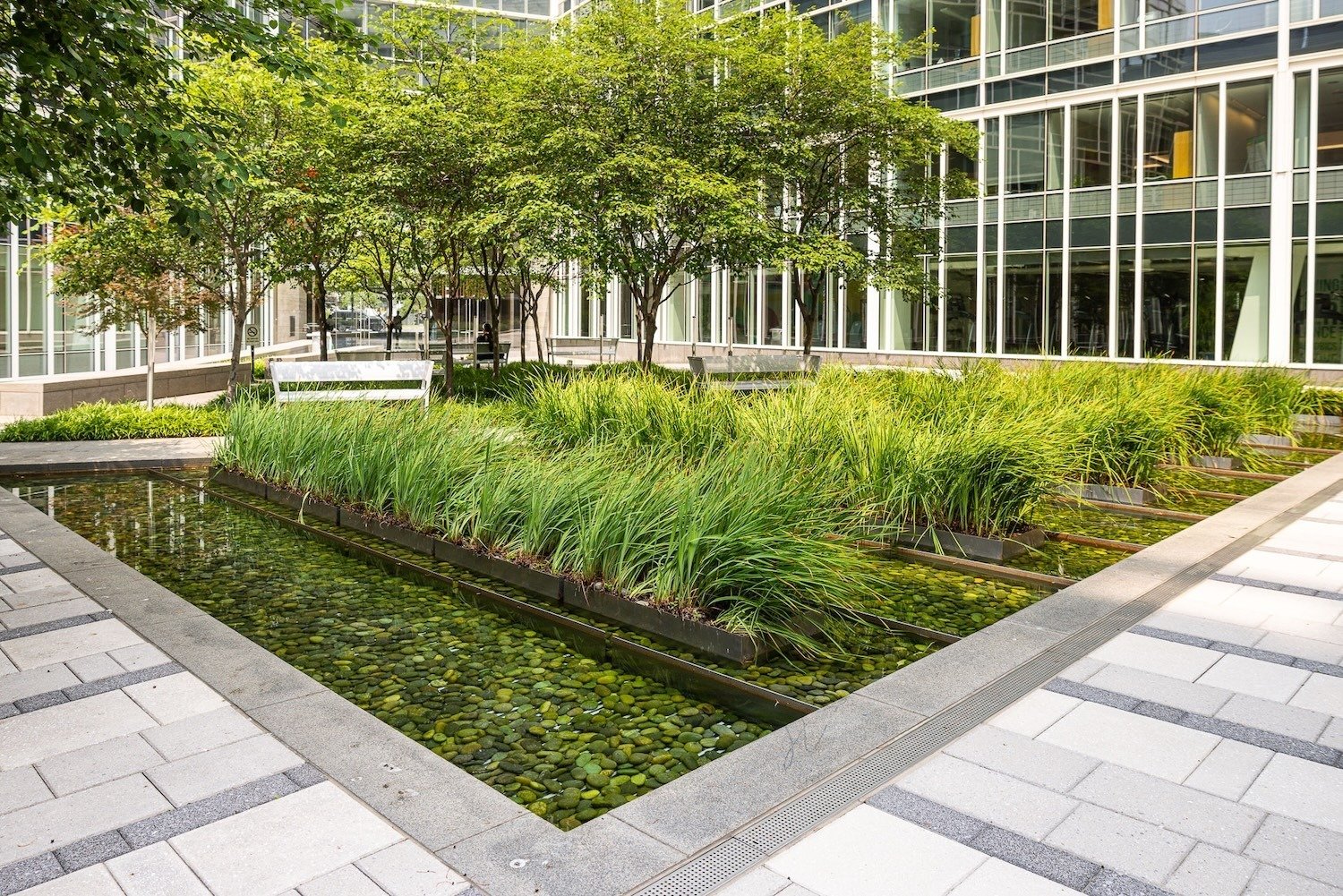
Vital Strategies to Manage Commercial Landscape Services