All Categories
Featured


Are Your Maintenance Standards Ready for 2026?
Table of Contents
04 Tenant Experience Expectations and Digital Service Need Commercial and property occupants in 2026 expect digital-first service experiences online submission, real-time status updates, and resolution confirmation as standard functionality, not a premium offering. Residence that still accept upkeep demands by phone or e-mail and provide no status presence are losing renters to competitors who have bought service experience innovation.
This fragmentation makes portfolio-level KPI reporting difficult without manual data assembly and presents costly reconciliation mistakes in supplier payment and warranty tracking workflows. To see how a connected platform eliminates this issue, let's see it live a 30-minute demo covers the complete combination architecture. OxMaint brings work orders, preventive maintenance, asset tracking, vendor management, and analytics together in one platform providing residential or commercial property and facility teams the functional intelligence to work smarter, minimize costs, and deliver better occupant experiences.
Center management is a more comprehensive discipline that incorporates upkeep plus area planning, occupant services, workplace experience, sustainability management, and strategic property planning. Maintenance management is typically a core operational function within center management instead of a different discipline. ROI is usually calculated throughout four value dimensions: labor cost decrease from improved scheduling and decreased overtime; emergency situation repair work cost reduction from greater PM compliance rates; contractor expense savings from enhanced vendor management and competitive bidding; and income security from minimized renter disagreements, lease defaults, and vacancy triggered by maintenance failures.
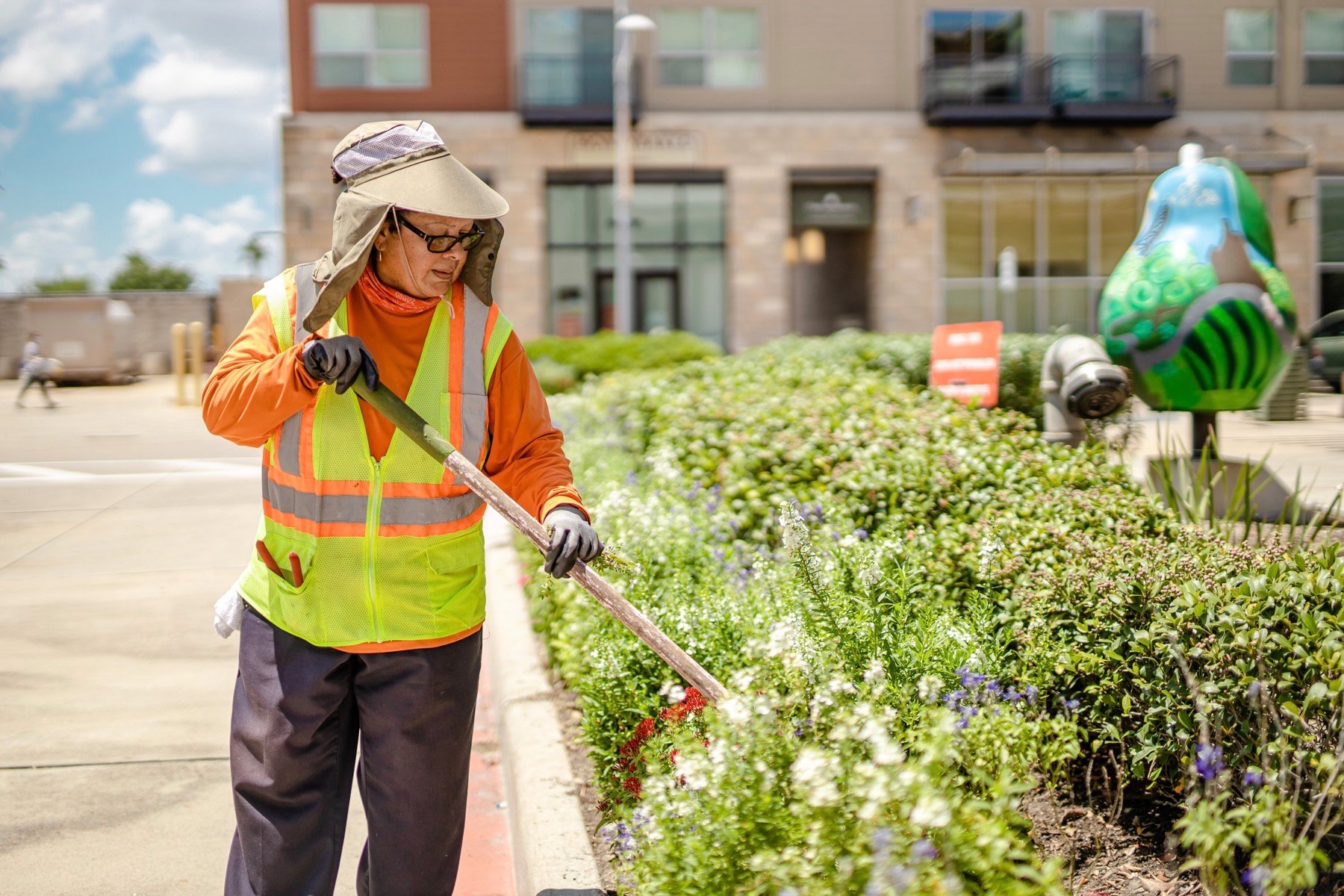
Key Tips for Upgrading Corporate Grounds
Market finest practice targets a PM compliance rate the percentage of scheduled preventive upkeep tasks completed on time of 95 percent or greater. A rate listed below 85 percent indicates a structural imbalance between PM volume and available labor, and generally correlates with increasing emergency situation repair work rates as postponed preventive work converts to reactive failures.
Top priority task must be implemented through the CMMS to avoid priority inflation, where regular demands are identified urgent to get faster attention. The minimum viable data structure consists of a complete property register with setup dates and specifications, at least 12 months of historic work order data, existing supplier agreements and contact details, and appropriate regulatory inspection records.
Data quality and efficiency regularly prove more crucial than raw data volume in identifying CMMS effectiveness.
Comparing Traditional and 2026 Management Models
Property maintenance in 2026 is having its own glow-up. If maintenance still feels like a series of emergencies rather of a plan, the year ahead will feel longer than it needs to.
Senior Living Landscape Maintenance
This blog site details proven property maintenance techniques that preserve worth, decrease risk, and keep your rental running smoothly throughout the year. Secret TakeawaysPreventive maintenance in 2026 costs less than reactive repair work. Upkeep planning has a direct influence on compliance, liability, and occupant retention. Structured systems regularly outperform last-minute repairs. You operate in a rental environment where small concerns intensify quickly.
When you treat maintenance as a strategic priority, you decrease danger, stabilize expenditures, and secure your investment in the long term. Reactive upkeep waits on problems to appear. Preventive maintenance works to guarantee they never do. In 2026, this difference matters more than ever, as emergency repairs now come with greater labor expenses, longer wait times, and higher hassle for everyone involved.
By dedicating to a preventive method, you minimize the likelihood of emergencies, stabilize repair work costs, and keep your residential or commercial property working without constant disruption. Renter expectations have actually developed considerably.
Meeting maintenance expectations consistently leads to smoother interaction and longer occupancies. Upkeep responsiveness has actually become one of the greatest impacts on tenant satisfaction in 2026.
Boosting Operations ROI within Commercial Assets
Habitability requirements, safety requirements, and regional building codes are actively implemented in many markets. Failing to resolve maintenance problems can cause violations, charges, or conflicts. Proactive upkeep helps you stay aligned with evolving regulations. Regular look at smoke detectors, structural stability, pipes systems, and electrical parts reduce exposure to compliance risks.
Deferred upkeep typically does not reveal immediate damage, however its long-term impact can be substantial. Minor concerns collect quietly, resulting in structural wear, wetness damage, and system failures that reduce general property worth. Preventive care preserves both appearance and function. Characteristic that receive consistent upkeep preserve stronger resale appeal and command better pricing over time.
Seasonal shifts continue to affect structure systems in meaningful ways. Temperature changes stress heating and cooling systems, heavy rain tests roof and drainage, and cooler months stress plumbing facilities. Seasonal maintenance lists help you get ready for prospective problems before they develop. Examining systems at the ideal time minimizes emergency situation calls and safeguards significant elements.
Trusted suppliers are an important part of efficient maintenance management. Developed relationships result in much faster action times, better artistry, and more constant prices. Continuously looking for specialists lose time and increases threat. Relied on suppliers understand your residential or commercial property requirements and expectations. Strong relationships improve performance and reduce the friction that typically accompanies repairs.
Crucial Property Management Strategies for Professional Operations
Documentation safeguards you during inspections, conflicts, and insurance coverage claims by demonstrating consistent care and attention to detail. Clear records also enhance decision-making. Repair histories assist determine repeating problems and guide replacement planning. In 2026, organized documents is not optional. It is a core functional tool. Digital upkeep platforms have actually altered how upkeep is tracked and managed.
Technology lowers missed jobs and communication spaces. When upkeep procedures are streamlined, concerns are resolved much faster and with fewer mistakes. Modern tools bring structure to what would otherwise be a complex workflow. Even with preventive planning, emergencies can still take place. What matters is how ready you are to respond. Clear procedures lower damage and limit downtime when immediate issues emerge.
Maintenance quality has a significant impact on whether tenants stay or leave. Poor upkeep drives turnover. Consistent upkeep supports stable tenancy and long-term performance.
Core practices preserve stable and predictable operations. Regular evaluations determine issues early. Recorded repair work histories supply clearness. Clear response timelines handle expectations. These basics prevent chaos and assistance long-lasting success. Insurance coverage suppliers anticipate affordable upkeep. Disregard can damage protection or complicate claims. Maintenance diligence demonstrates duty and lowers liability direct exposure.
Maintenance is a crucial part of danger management. Without systems, maintenance demands consistent attention. With systems, it operates quietly in the background. Structured workflows totally free up time and psychological area. Performance enables you to concentrate on development instead of constant repairs. Q1. How often should preventive maintenance assessments be scheduled in 2026? A lot of properties gain from quarterly assessments, with extra seasonal checks to attend to weather-related dangers and system pressure that might have occurred throughout the past season.

Latest Posts

Optimizing Multi-Site Landscape ROI

Sustainable Maintenance Standards for 2026
Increasing Asset ROI With Elite Maintenance